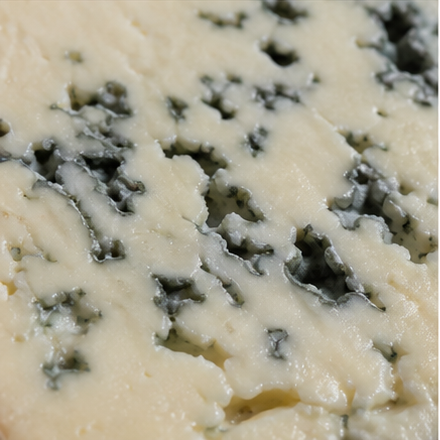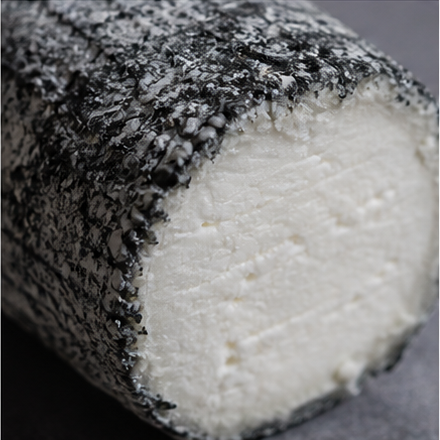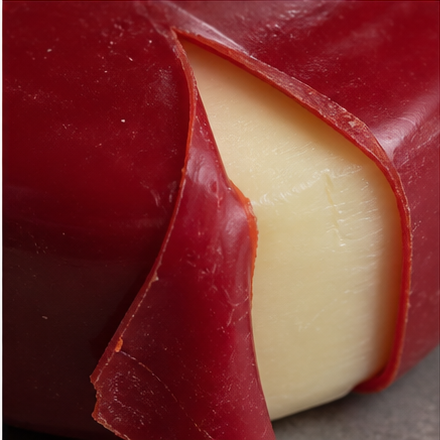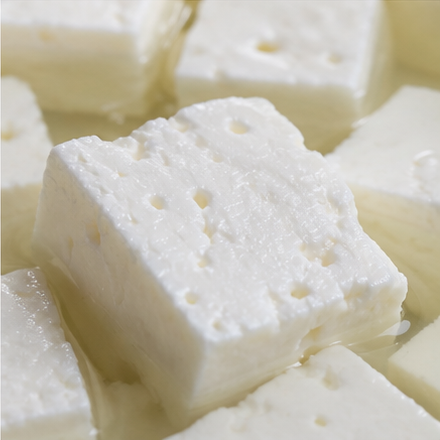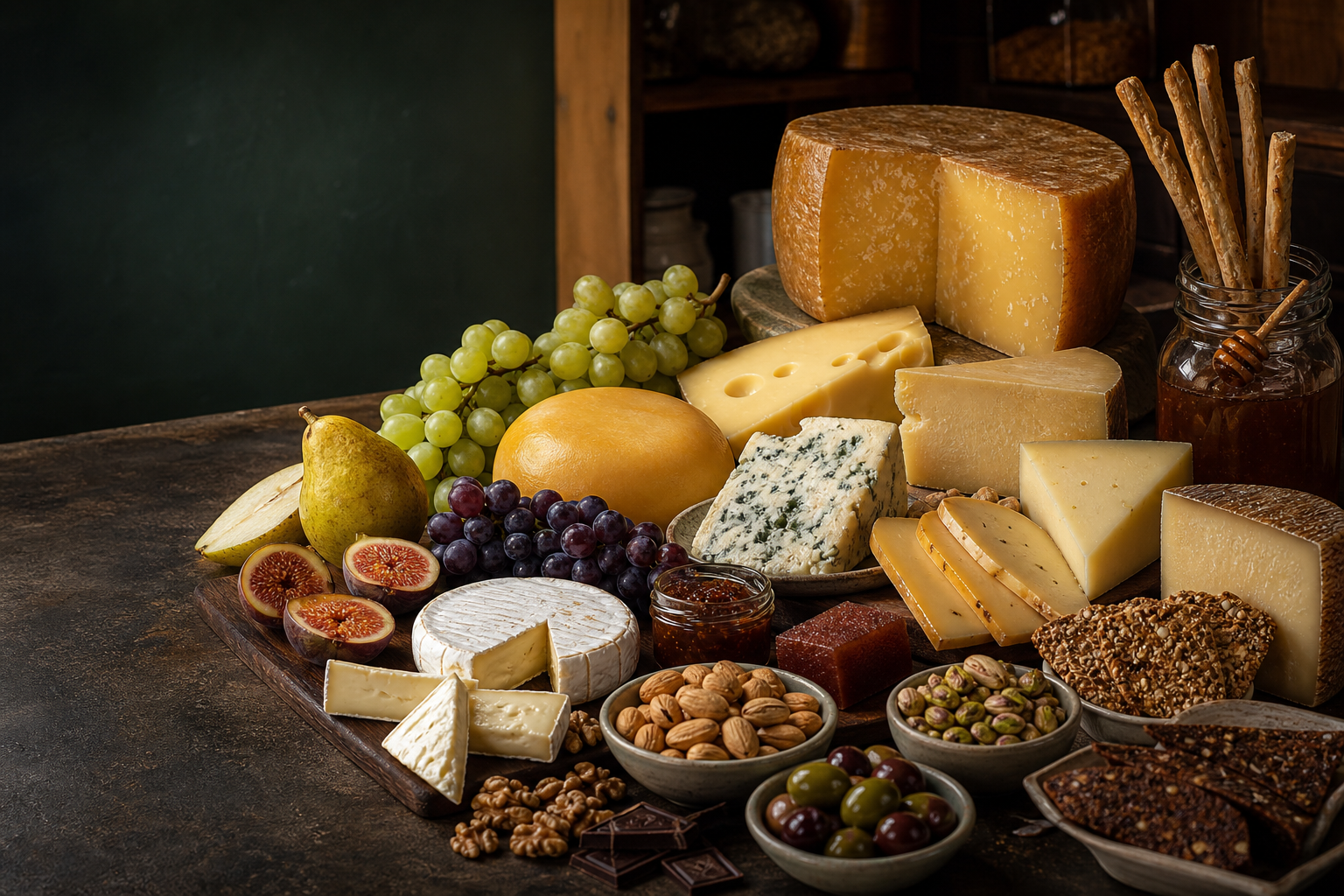
A European cheese and gourmet pantry table

The Amsterdam Cheese Atlas

Discover Cheese Before You Choose It

Explore cheese by country, milk, texture, flavour and occasion—then understand what to taste, serve and pair.

Explore the Cheese Atlas

The Interactive European Cheese Atlas

Choose a country. Discover its cheese.

Select a country on the atlas, move around its cheese wheel, then stop a name at the pointer to reveal everything worth knowing.

01 Choose a country 02 Move through the wheel 03 Select a cheese

Clickable Europe Atlas

Where should we go?

Choose a highlighted country to load its cheeses.

Netherlands

0 CHEESES · DRAG, SCROLL OR USE ARROWS
Selected cheese
Select a cheese1 / 1

Cheese School · The Making

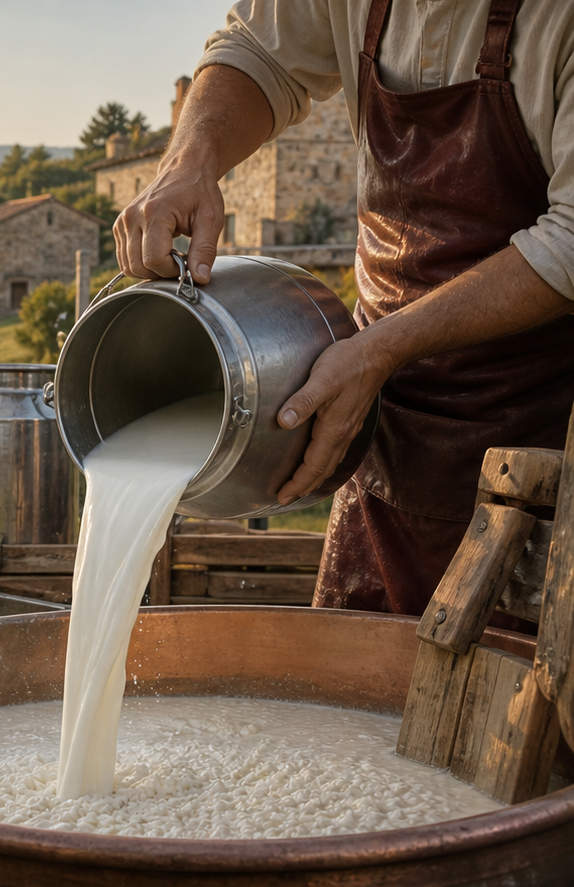
Milk does not simply become cheese. It takes a journey.

Follow the transformation step by step. Each image shows how a small cheesemaking decision changes the finished wheel.

Cheese School · Look, Smell, Taste

A visual guide to understanding cheese.

Choose a topic and the useful detail appears—without turning the page into a wall of text.

The Milk Lens

Learn the milk; predict the first impression.

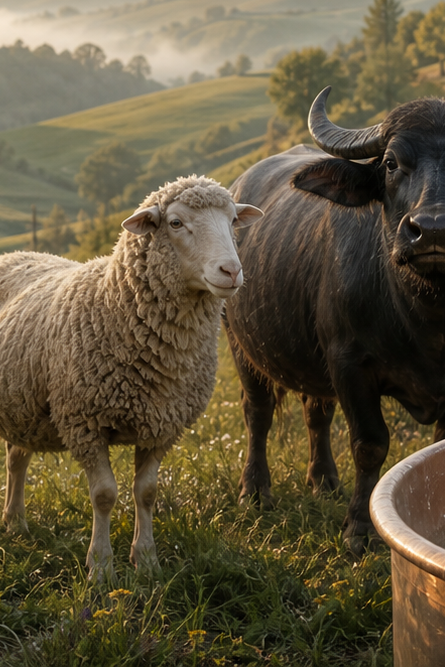
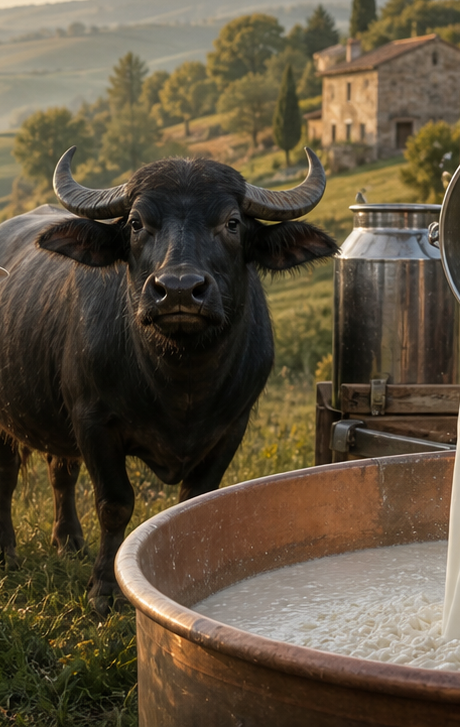
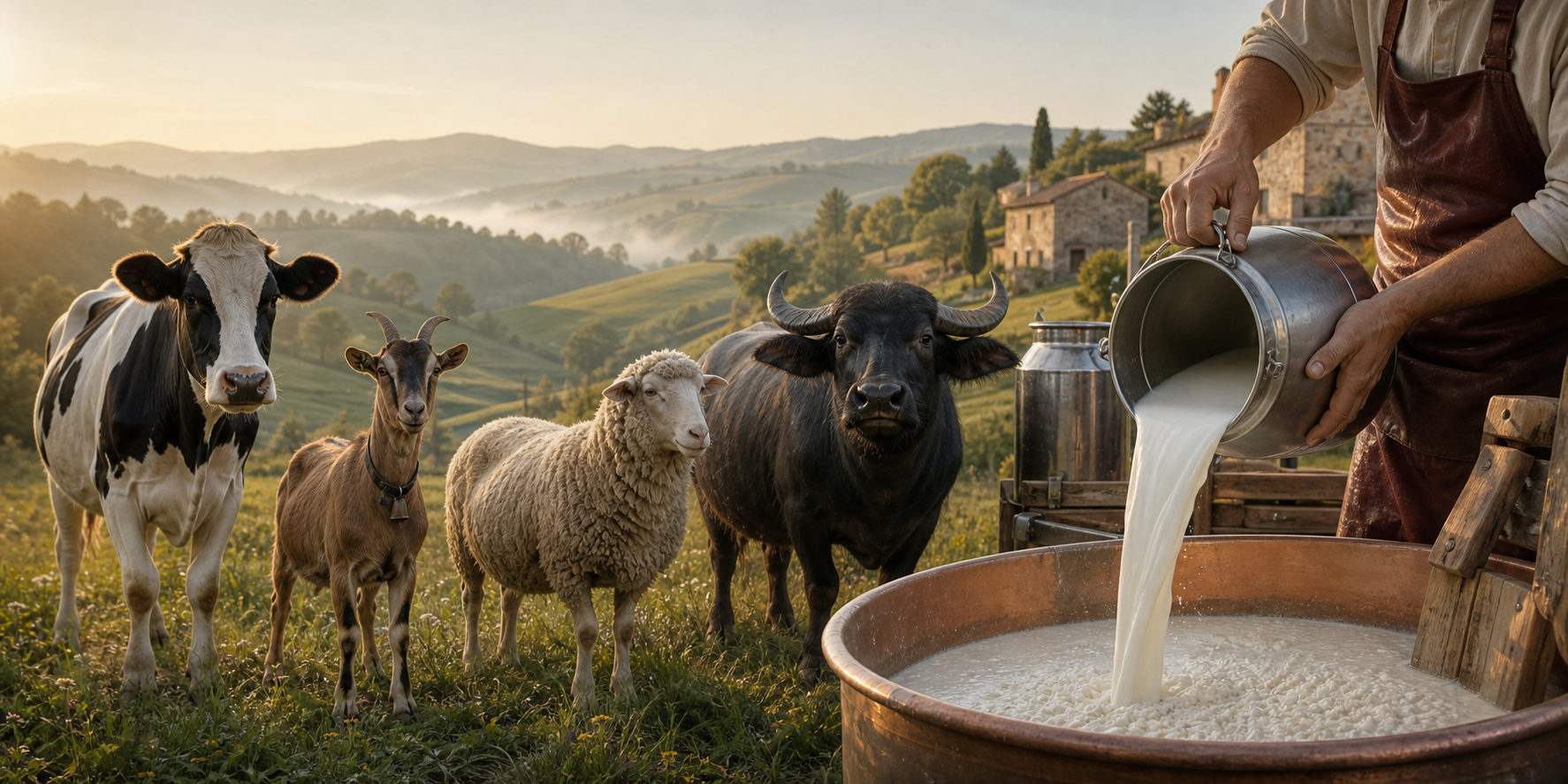
Choose an animal to see how, which, when and why its milk changes the cheese.

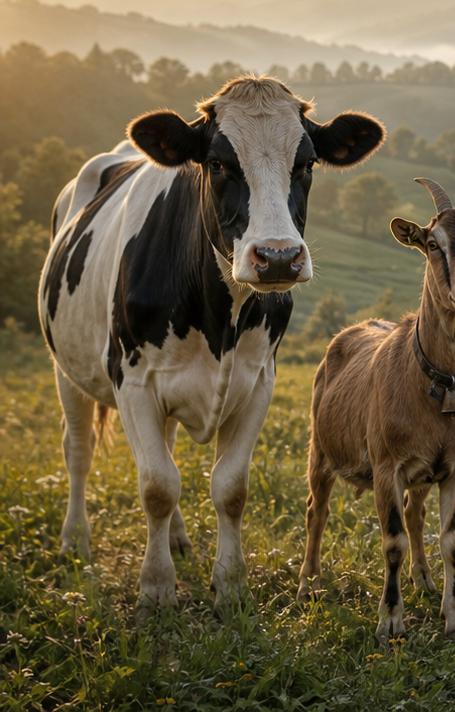
Cow milk and cheesemaking process

Cow milk

Creamy, buttery and endlessly adaptable.

Why
A familiar, generous base that can become almost any style.
How
Made fresh, bloomy, washed, pressed or aged for years.
When
Choose it for an easy crowd-pleaser or a deep aged finish.
Which
Gouda · Comté · Brie · Gruyère

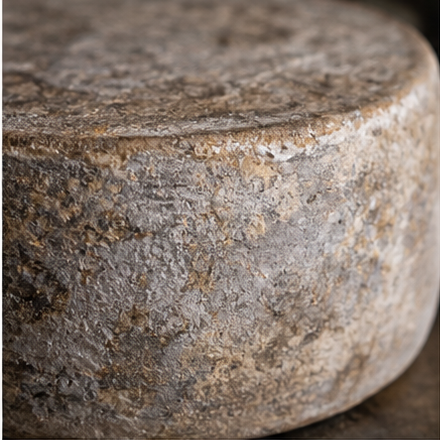
The Rind Atlas

Read the outside. Predict the inside.

Select a rind name; its picture and essential clues appear alongside it.

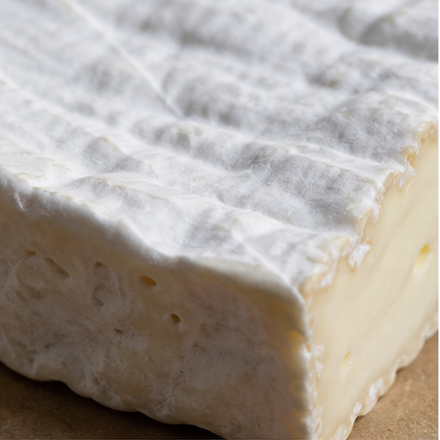
Bloomy rind

Mushroom · brassica · cultured butter

A surface mould ripens the paste from the outside in. The rind is normally edible when it smells clean and tastes pleasant.

Examples: Brie · Camembert

Taste With Words

Notice more. Say less, but say it clearly.

Click a flavour family to open its visual vocabulary.

Milk, yoghurt, butter and cream

Lactic

Milk · yoghurt · butter · cream

Common in fresh and young cheese. Ask whether the impression is clean milk, tangy yoghurt, cultured butter or sweet cream.

🥛 Milk◯ Yoghurt🧈 Butter◌ Cream
01 · LookTurn the wedge slowly

Scan colour, rind and moisture.

02 · TouchPress once, gently

Yielding, springy, crumbly or crystalline?

03 · SmellRind first, paste second

Compare the two aromas.

04 · TasteWarm a small piece

Track sweet, salt, acid, bitter and umami.

05 · FinishPause after swallowing

Name what remains and for how long.

Deep Dive · Gouda Ageing

One cheese.
Four personalities.

Move over—or focus—an age to reveal only that cheese image. The image always stays inside its panel.

Young Gouda
014–10 weeks

Young

Milky · supple · sweet

Melting & sandwiches
Mature Gouda
024–8 months

Mature

Nutty · rounded · savoury

Everyday board
Old Gouda
0312–18 months

Old

Caramel · firm · crystalline

Statement wedge
Vintage Gouda
0424+ months

Vintage

Deep · brittle · lingering

Gifting & slow tasting

The Pairing Compass

Six useful companions. One balanced plate.

Pick a cheese style for a short, visual pairing plan.

Fresh & brined

FreshWatermelon · tomato

PreserveChilli honey

NutPistachio

BrinyOlives

CarrierFlatbread

DrinkDry rosé

The Gourmet Pantry

Build contrast without crowding the cheese.

One fresh, one sweet, one crunchy and one briny companion is often enough.

Fresh fruit

Pear, apple, grape & fig

Water and acidity refresh the palate.

Brie · Havarti · blue
Preserves

Fig, quince & cherry

Concentrated fruit bridges nutty and salty flavours.

Gouda · Manchego · Comté
Nuts

Walnut, almond & pistachio

Toast lightly and keep seasoning restrained.

Roquefort · Parmesan · chèvre
Briny

Olive, cornichon & onion

Acid and salt reset the mouth after rich cheese.

Raclette · Maasdam · Cheddar
Carriers

Water cracker, rye & sourdough

Use neutral crispness for delicate cheese and dark grain for bold wheels.

Three textures cover the board
Sweet finish

Honey & dark chocolate

Use a drop, not a flood.

Aged Gouda · blue · goat

Buy · Store · Cut · Serve

Care is the final stage of affinage.

Hover or focus a question to reveal its illustrated answer.

Cheese counter
At the counter

What should I ask?

  • What is tasting best today?
  • When will this piece be ripe?
  • Can I compare two ages?
Stored cheese
In the fridge

How should I store it?

  • Use breathable cheese paper.
  • Keep strong cheeses separate.
  • Keep brined cheese submerged.
Cut cheese board
With the knife

How should I cut it?

  • Round wheel: cut like cake.
  • Wedge: slice nose to rind.
  • Hard cheese: break into nuggets.
Cheese served at the table
At the table

How should I serve it?

  • Serve cool, not fridge-cold.
  • Arrange delicate to intense.
  • Use separate knives for strong styles.

Build Your Store List

A useful board, remembered for you.

Select items before visiting the store. The list is kept only in this browser.

Inspiration

Four small ideas for a generous table.

Gouda crostini15 minutes

Aged Gouda, pear & fig crostini

Buttered sourdough, ripe pear, fig preserve and crystalline Gouda.

Maasdam fondueFor sharing

Maasdam fondue with cornichons

White wine, garlic and nutty Maasdam with rye bread and apples.

Blue cheese boardNo cooking

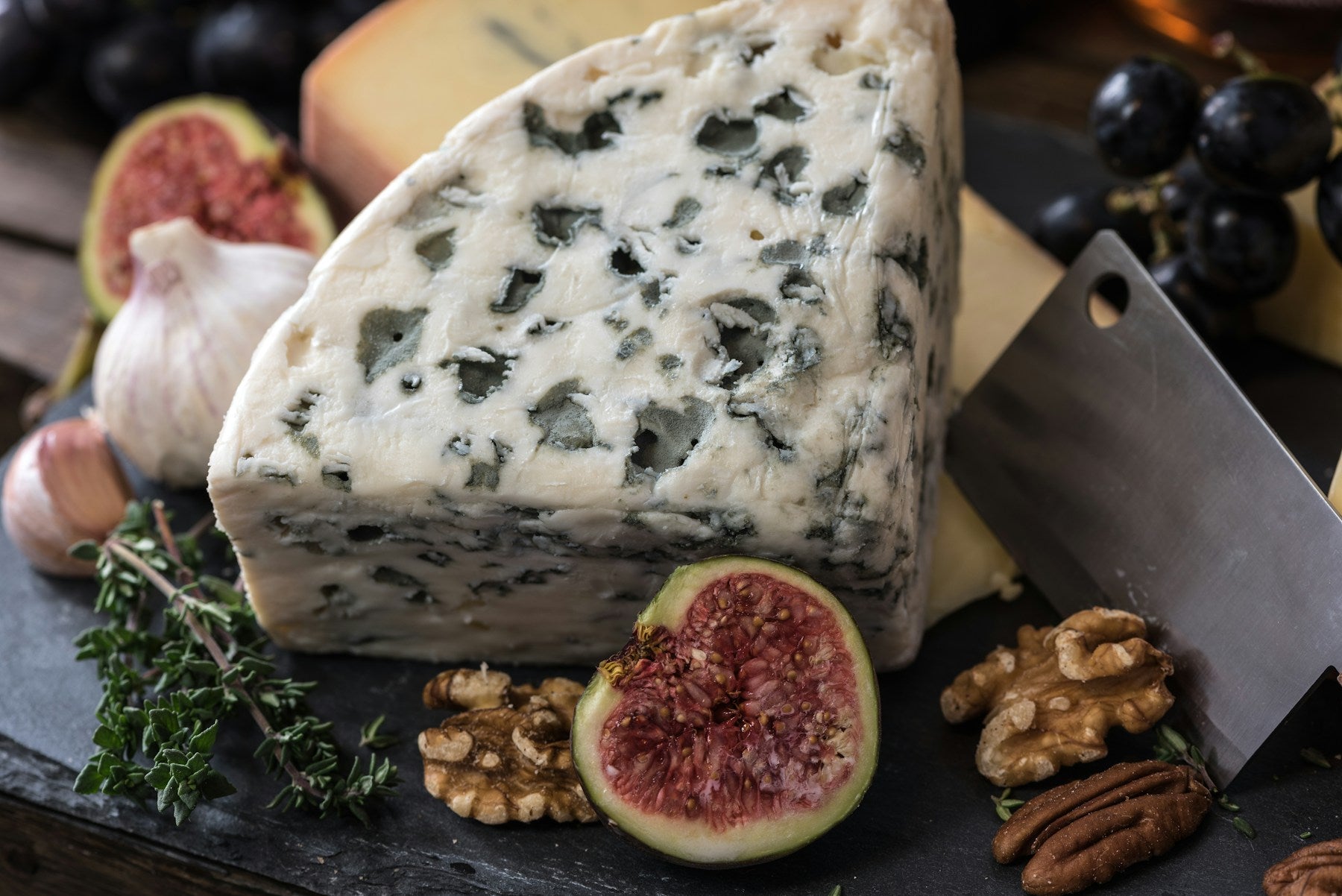
Blue cheese, fig & walnut board

A high-contrast trio with honey, dark grapes and something sweet.

Halloumi and watermelon20 minutes

Halloumi, watermelon & chilli honey

Serve the seared cheese immediately with cool fruit and mint.

Cheese Glossary

Eighteen terms worth knowing.

Affinage +

The skilled maturation of cheese through time, humidity, temperature, turning, washing and brushing.

Affineur +

A specialist who matures and selects cheese.

AOP / PDO / DOP +

Equivalent protected-origin systems in French, English and Italian terminology.

PGI +

Protected Geographical Indication: at least one important production link belongs to the named region.

Paste +

The interior body of the cheese, distinct from its rind.

Curd +

Milk solids joined into a gel before much of the liquid whey is removed.

Rennet +

Enzymes that coagulate milk; they may be animal, microbial, fermentation-produced or plant-derived.

Starter culture +

Microorganisms added to acidify milk and help shape flavour, texture and safety.

Raw milk +

Milk not pasteurised; rules and permitted cheeses vary by country.

Thermised +

Gently heat-treated below full pasteurisation.

Washed curd +

Some whey is replaced by warm water, reducing lactose and producing a milder cheese such as Gouda.

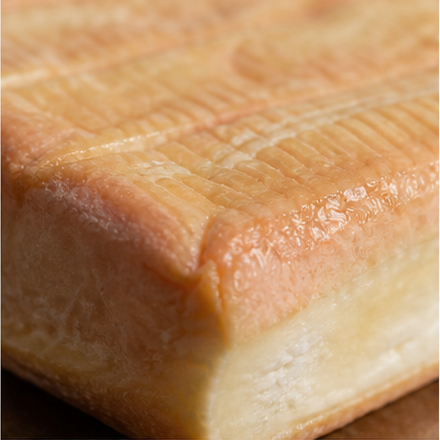
Washed rind +

A surface repeatedly moistened to cultivate aromatic bacteria.

Bloomy rind +

A soft white fungal rind that ripens cheese inward.

Eyes +

Openings in the paste, often created by gas from fermentation.

Tyrosine crystals +

Crunchy amino-acid crystals that can form during long ageing.

Mechanical openings +

Irregular gaps left where curds do not knit completely.

Lactic cheese +

Cheese coagulated mainly through acidification, often delicate and tangy.

Pasta filata +

Stretched-curd technique used for mozzarella, provolone and related cheeses.

Cheese FAQ · Mysteries Explained

Questions people ask before the first bite.

Clear, searchable answers to the cheese questions that come up most often.

01What are the crunchy crystals in aged cheese?+

They are often tyrosine crystals, formed as proteins break into amino acids during long ageing. Calcium-lactate crystals can also occur. Both are harmless; they are not grains of added salt.

02Why does cheese have holes?+

Some cultures produce carbon dioxide during fermentation. In an elastic paste the gas gathers into rounded eyes; curd handling can also leave smaller mechanical openings.

03Why can a rind smell stronger than the cheese?+

Surface microbes create aromatic compounds where oxygen is available. The inner paste has a different ecosystem, so a washed rind may smell powerful while tasting buttery.

04Does older always mean better?+

No. Age changes style, not automatic quality. Mozzarella is prized for freshness; Brie has a ripeness window; Gouda can benefit from years.

05Is raw-milk cheese automatically stronger?+

No. Milk treatment is only one variable among cultures, moisture, salt, rind and age. Raw milk does not dictate intensity.

06What do PDO, AOP, DOP and PGI mean?+

They are origin-and-method protections. PDO, AOP and DOP are national-language forms of the strongest designation; PGI protects a meaningful geographic link.

07How much cheese should I serve per person?+

For a tasting, start around 60–75 grams per person. For a substantial cheese course, allow roughly 90–125 grams, adjusting for the rest of the meal.

08How many cheeses belong on a balanced board?+

Three to five cheeses usually create enough contrast without tiring the palate. Vary milk, texture, rind and intensity.

09How long before serving should cheese leave the fridge?+

Many cheeses become more aromatic and supple after 30–60 minutes in a cool room. Fresh and very soft cheeses need less time.

10What is the best way to store cut cheese?+

Wrap it in cheese paper or breathable paper, then place it in a loosely closed container. This limits drying without trapping too much moisture.

11Can cheese be frozen?+

Firm cheeses can be frozen for cooking, but texture often becomes drier or more crumbly. Fresh and delicate cheeses are usually better enjoyed without freezing.

12What cheeses are best for a beginner board?+

Start with a mild bloomy cheese, a nutty semi-firm cheese, a firm aged cheese and one bolder option such as blue or washed rind.

13What order should cheese be tasted in?+

Move from fresh and delicate to bloomy, semi-firm, washed-rind, hard and finally blue or strongly flavoured cheese.

14Can you eat the rind on cheese?+

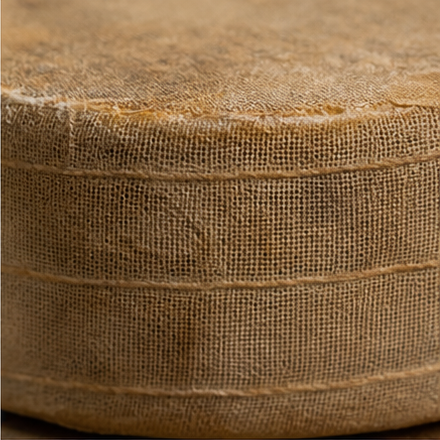
Bloomy, washed and many natural rinds can be tasted when clean and pleasant. Wax, cloth and synthetic coatings are not edible.

15How can you tell when Brie or Camembert is ripe?+

A ripe bloomy cheese should yield gently near the edge without collapsing. Expect a clean mushroom aroma and paste that softens from rind toward centre.

16What is the difference between Brie and Camembert?+

Both are bloomy-rind cheeses, but traditional examples differ in origin, format and recipe. Camembert is usually a smaller wheel; Brie is traditionally larger and flatter.

17Why is goat cheese so white?+

Goats convert much of the yellow-orange beta-carotene in their feed into colourless vitamin A, so their cheese often appears whiter than cow’s-milk cheese.

18Why is some cheese orange?+

Milk season and feed can deepen natural yellow tones, but many orange cheeses also use annatto, a plant-derived colouring.

19What makes washed-rind cheese smell strong?+

Regular washing with brine encourages aromatic surface bacteria. Those microbes create a powerful savoury aroma, although the paste can taste gentler.

20Why does cheese sweat at room temperature?+

As cheese warms, fat and moisture can rise to the surface. A light sheen is normal; excessive warmth can soften the cheese too far.

21What is the difference between Parmesan and Parmigiano Reggiano?+

Parmigiano Reggiano is a protected Italian cheese made under defined regional rules. Parmesan is a broader name used for hard grating cheeses.

22What pairs well with aged Gouda?+

Try apple, fig, toasted walnut, onion jam, sourdough, dark ale or dry sherry. They echo its caramel and roasted notes while adding freshness.

23What pairs well with blue cheese?+

Pear, fig, honey, candied walnuts, oatcakes, sweet wine and stout all work well. Sweetness and fruit soften salt and peppery intensity.

24Why does cheese texture change as it ages?+

Moisture gradually leaves while enzymes break proteins and fats into smaller flavourful compounds. The paste may soften or become firmer and more crystalline.

25What is affinage in cheesemaking?+

Affinage is the controlled ageing and care of cheese. Turning, brushing, washing, humidity, temperature and time guide rind, texture and flavour.

26What is the difference between raw-milk and pasteurised cheese?+

Raw-milk cheese begins with unpasteurised milk; pasteurised cheese uses heat-treated milk. Either can be mild or intense.

27How should a wedge be cut so everyone gets rind and centre?+

Cut long, narrow slices from the point of the wedge toward the rind. This shares the softer nose and firmer outer paste fairly.

28Why is cheese sometimes wrapped in wax or cloth?+

Wax slows moisture loss and protects the surface. Cloth allows a firm cheese to breathe while it ages; the cloth itself is removed.

29How can I describe cheese flavour more clearly?+

Begin with lactic, fruity, floral, vegetal, roasted, animal, earthy or spiced. Name one aroma, one texture and the flavour that remains.

30What makes a good cheese and wine pairing?+

Match intensity first, then use acidity or bubbles to refresh richness. Sweet wine can balance salty blue cheese; delicate cheese needs a restrained drink.